Are You Earning Up to Your Potential?
Most personal trainers are undervaluing their time and skills. Our Personal trainer Revenue Calculator helps you find out what you should be making, and how to get there.
No guesswork. Just real numbers.
.webp)
Amino acids are the building blocks of proteins, playing crucial roles in various bodily functions. Glutamine is a versatile and abundant amino acid essential for human health. However, confusion often arises when discussing glutamine and its isomer, L-glutamine. This article aims to clarify the difference between L-glutamine and glutamine, exploring their roles, benefits, and applications in health and supplementation.

Understanding Amino Acids
Before getting into the specifics of glutamine and L-glutamine, it's essential to understand the basics of amino acids. Amino acids are organic compounds that serve as the building blocks of proteins. They are categorized into three groups:
- Essential amino acids: These cannot be produced by the human body and must be obtained through diet.
- Non-essential amino acids: The body can synthesize these amino acids.
- Conditionally essential amino acids are typically non-essential but become necessary under certain conditions, such as stress or illness.
Glutamine: A Conditionally Essential Amino Acid
Glutamine is classified as a conditionally essential amino acid. Under normal circumstances, the human body can produce sufficient glutamine to meet its needs. However, during stress, illness, or intense physical exertion, the demand for glutamine may exceed the body's production capacity, making it essential to obtain additional glutamine through diet or supplementation.
Glutamine is the most abundant amino acid in the human body, comprising approximately 60% of the free amino acid pool in skeletal muscles and 20% of the total circulating amino acids in the blood. Its prevalence underscores its importance in various physiological processes.
L-Glutamine: The Biologically Active Form
When discussing the difference between glutamine and L-glutamine, it's crucial to understand that L-glutamine is simply the biologically active form of glutamine. In nature, amino acids can exist in two isomeric forms: L-form and D-form. The "L" in L-glutamine stands for "levo," which refers to the left-handed orientation of the molecule.
Amino acids predominantly exist in the L-form in the human body and most living organisms. This is why when we talk about glutamine in biological contexts, we almost always refer to L-glutamine. "glutamine" and "L-glutamine" are often used interchangeably in scientific literature and nutritional supplements.
D-glutamine, the right-handed isomer, is rarely found in nature and has limited human biological activity. Therefore, when discussing glutamine supplementation or its role in human physiology, we are primarily concerned with L-glutamine.
Is L-Glutamine the Same as Glutamine?
This question often arises due to the interchangeable use of "glutamine" and "L-glutamine" in various contexts. To address this confusion:
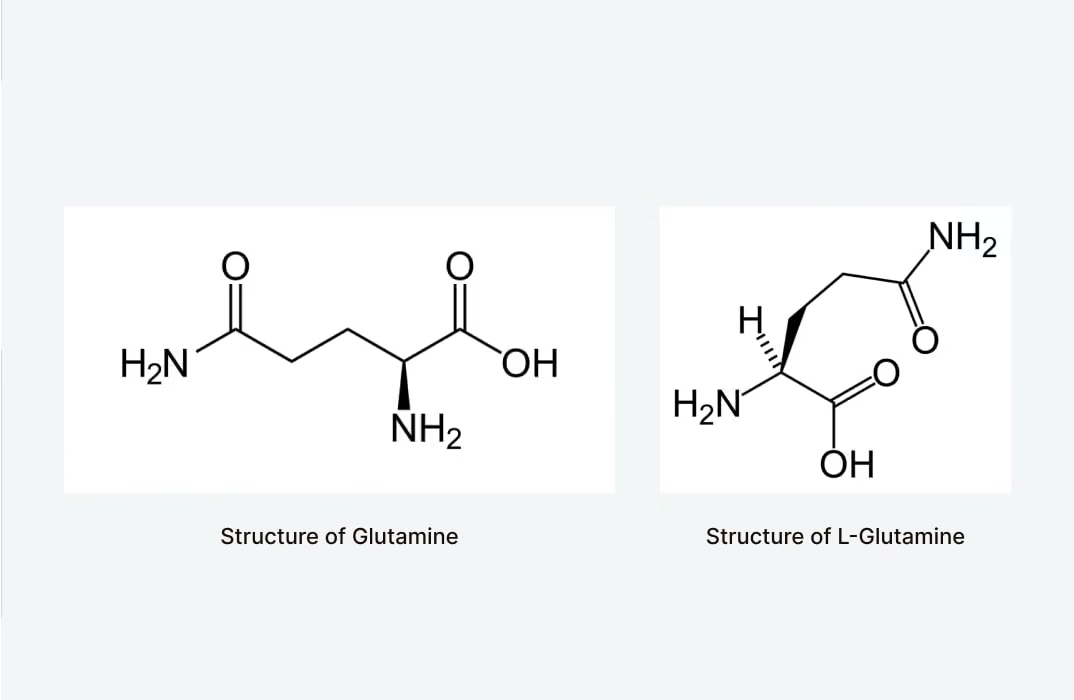
L-glutamine is the same as glutamine in practical terms, especially when discussing human physiology and nutritional supplements. The "L" prefix specifies the molecular structure of the amino acid, indicating its left-handed orientation. In the human body, when we refer to glutamine, we implicitly talk about L-glutamine.
The term "glutamine" is often used as a shorthand for L-glutamine in scientific literature, nutritional information, and supplement labels. This is because L-glutamine is the biologically relevant form of the amino acid in humans and most other living organisms.
It's worth noting that while D-glutamine exists, it is not typically found in significant amounts in nature and has limited biological activity in humans. Therefore, glutamine and L-glutamine can be considered the same for practical purposes in human nutrition and physiology.
💪 Got an idea for a brand? Let's bring it to life.
Launch your own fitness app with FitBudd in minutes!

💪 Got your brand name? Let’s bring it to life.
Launch your own fitness app with FitBudd in minutes!



88% trainers worldwide gave us 5 stars
Transform your fitness business with the power of your branded app on iOS and Android.
Try for FREEDifference Between Glutamine and L-Glutamine
While we've established that glutamine and L-glutamine are essentially the same in the context of human biology, it's essential to understand the nuances that lead to this distinction:
- Molecular Structure: The primary difference lies in the molecular structure. L-glutamine refers explicitly to the left-handed isomer of the glutamine molecule, and the "L" prefix denotes this specific orientation.
- Biological Activity: L-glutamine is the biologically active form the human body uses. It participates in various physiological processes, from protein synthesis to immune function.
- Nomenclature in Different Contexts:some text
- In scientific and medical literature, "L-glutamine" might emphasize the specific isomeric form being discussed.
- In general nutrition and supplement discussions, "glutamine" is often used as it's understood to refer to the biologically active L-form.
- Supplement Labeling: Some supplements may be labeled as "L-glutamine" to specify the exact form, while others may use "glutamine." Both typically contain the same compound.
- Other Forms: The distinction becomes relevant when considering different forms of glutamine, such as D-glutamine or glutamine derivatives. However, these are not commonly encountered in human nutrition or supplementation.
- Precision in Research: In scientific research, specifying "L-glutamine" can be essential for precision, especially in studies involving amino acid metabolism or comparing different isomeric forms.
In practical terms for consumers, athletes, and most healthcare practitioners, the terms "glutamine" and "L-glutamine" can be used interchangeably. The key is to understand that when either term is used in the context of human health, nutrition, or supplementation, it refers to the biologically active L-form of the amino acid.
Roles and Functions of Glutamine in the Body
Glutamine plays numerous vital roles in the human body, contributing to various physiological processes:
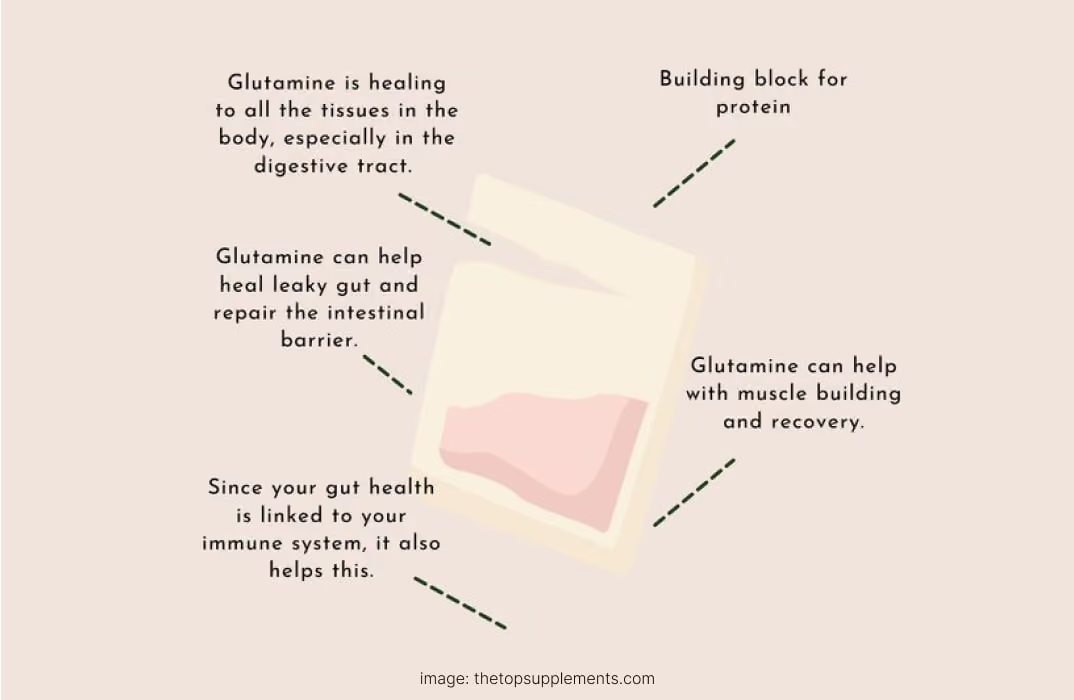
- Immune System Support: Glutamine is a critical fuel source for immune cells, mainly white blood cells. It enhances immune cell activity and helps maintain the integrity of the intestinal barrier, preventing harmful bacteria from entering the bloodstream.
- Intestinal Health: As the primary fuel source for many intestinal cells, glutamine supports the health and function of the gut lining. It is crucial in maintaining intestinal tissue integrity and promoting gut health.
- Muscle Mass and Recovery: Glutamine is involved in protein synthesis and helps maintain muscle mass, especially during stress or intense physical activity. It also helps reduce muscle soreness and improve recovery after exercise.
- Acid-Base Balance: Glutamine acts as a buffer, helping to maintain the body's pH balance by neutralizing excess acid in the blood.
- Brain Function: Glutamine can cross the blood-brain barrier and serve as a precursor for neurotransmitters, potentially influencing cognitive function and mood.
- Wound Healing: Glutamine supports cell proliferation in wound healing, potentially accelerating recovery.
- Anti-Fatigue Properties: Some studies suggest that glutamine may have anti-fatigue effects, improving exercise performance and reducing perceived exertion.
Glutamine Metabolism
Understanding glutamine metabolism helps elucidate its importance in the body. Glutamine is synthesized primarily in skeletal muscles through the action of the enzyme glutamine synthetase. This enzyme catalyzes the conversion of glutamic acid and ammonia into glutamine.
Once produced or ingested, glutamine is transported throughout the body via the bloodstream. Various tissues and organs, including the intestines, immune cells, and kidneys, can utilize glutamine. In times of stress or illness, glutamine demand increases, and the body may break down muscle tissue to release glutamine, potentially leading to muscle wasting if not addressed.

Glutamine Supplementation
Given glutamine's importance and classification as a conditionally essential amino acid, glutamine supplementation has gained popularity among athletes, fitness enthusiasts, and individuals with certain health conditions. Glutamine supplements are available in various forms, including powders, capsules, and as part of protein supplements.
When considering glutamine supplementation, it's important to note that most supplements contain L-glutamine, the biologically active form. The terms "glutamine supplement" and "L-glutamine supplement" are often used interchangeably in the market.
Potential Benefits of Glutamine Supplementation:
- Athletic Performance and Recovery: Some athletes use glutamine supplements to support muscle recovery, reduce muscle soreness, and potentially enhance performance. However, research results are mixed, and more studies are needed to confirm these benefits conclusively.
- Intestinal Health: Glutamine supplementation may benefit individuals with conditions affecting intestinal health, such as inflammatory bowel disease or irritable bowel syndrome. It may help maintain the integrity of the intestinal lining and support gut function.
- Immune Function: During intense physical stress or illness, glutamine supplementation may help support immune function by fueling immune cells.
- Wound Healing: Some studies suggest that glutamine supplementation may accelerate wound healing, particularly in critically ill patients or those recovering from surgery.
- Muscle Preservation: In severe stress or illness, glutamine supplementation may help preserve muscle mass by providing the amino acid necessary for protein synthesis.
Dosage and Safety Considerations
The optimal dosage of glutamine supplements can vary depending on the individual's needs and the purpose of supplementation. Typical doses range from 5 to 30 grams daily, often divided into multiple doses. However, consulting a healthcare professional before starting any new supplement regimen is crucial.
Glutamine is generally considered safe for most healthy adults when appropriate. However, some individuals may experience side effects such as nausea, vomiting, or stomach discomfort. People with liver or kidney disease should be cautious with glutamine supplementation and consult their healthcare provider.
Dietary Sources of Glutamine
While glutamine supplements are readily available, significant amounts can also be obtained through dietary sources. In fact, for most healthy individuals, a balanced diet provides sufficient glutamine to meet the body's needs — and many coaches incorporate these food recommendations into meal plans using nutrition software for personal trainers to make client tracking simpler and more accurate. However, dietary intake becomes even more crucial during increased demand, such as intense exercise, illness, or recovery from injury.
Let's explore the various food sources of glutamine in more detail:
- Animal Proteins:
- Beef: Particularly rich in glutamine, incredibly lean cuts.
- Chicken: A versatile and accessible source of glutamine.
- Fish: Many fish species provide glutamine, with the added benefit of omega-3 fatty acids.
- Dairy products: Milk, yogurt, and cheese contain glutamine and other essential nutrients.
- Eggs: A complete protein source that includes glutamine.
- Plant-Based Proteins:
- Beans: Various types of beans, including kidney beans, black beans, and soybeans, are good sources of glutamine.
- Lentils: These legumes are rich in glutamine and provide fiber and other essential nutrients.
- Tofu and tempeh: Soy-based products that offer a substantial amount of glutamine for vegetarians and vegans.
- Peas: Both fresh and dried peas contain glutamine.
- Vegetables:
- Spinach: One of the best vegetable sources of glutamine.
- Parsley: Often used as a garnish, parsley is surprisingly rich in glutamine.
- Cabbage: Both red and green varieties provide glutamine.
- Broccoli: Contains glutamine along with other beneficial compounds.
- Asparagus: A good source of glutamine and other nutrients.
- Kale: This nutrient-dense leafy green also contains glutamine.
- Nuts and Seeds:
- Peanuts: Both raw and roasted peanuts contain glutamine.
- Almonds: A versatile nut that provides glutamine and healthy fats.
- Sunflower seeds: Rich in glutamine and other essential nutrients.
- Pumpkin seeds: Offer glutamine along with magnesium and zinc.
- Walnuts: Contain glutamine and omega-3 fatty acids.
- Grains:
- Whole wheat: Contains moderate amounts of glutamine.
- Brown rice: Provides glutamine along with fiber and other nutrients.
- Oats: A good source of glutamine, especially when consumed regularly.
- Fermented Foods:
- Miso: A fermented soybean paste that contains glutamine.
- Kimchi: Fermented vegetables, usually cabbage, that offer glutamine and probiotics.
- Kombucha: While not a significant source, this fermented tea does contain some glutamine.
Glutamine Content and Bioavailability:
It's important to note that the glutamine content can vary depending on factors such as the specific variety of the food, how it's grown or raised, and how it's prepared. Cooking methods can affect glutamine levels, with some studies suggesting that light cooking may preserve more glutamine compared to prolonged high-heat cooking.
The bioavailability of glutamine from food sources can also vary. Animal proteins generally tend to have higher bioavailability than plant sources. However, a diverse diet that includes a variety of glutamine-containing foods can help ensure adequate intake.
Combining Dietary Sources:
To maximize glutamine intake, consider combining different food sources. For example:
- A salad with spinach, grilled chicken, and pumpkin seeds
- A vegetarian stir-fry with tofu, broccoli, and brown rice
- A breakfast bowl with Greek yogurt, oats, and almonds
Dietary Glutamine vs. Supplements:
Obtaining glutamine through diet is sufficient and preferable to supplementation for most people. Food sources of glutamine come with additional nutrients and fiber, providing a more balanced nutritional profile. However, in cases of increased need or difficulty meeting requirements through diet alone, supplementation may be considered under the guidance of a healthcare professional.
Considerations for Special Diets:
Individuals following vegetarian or vegan diets may need to pay extra attention to their glutamine intake, focusing on plant-based sources such as legumes, nuts, and seeds. Those with food allergies or intolerances should work with a nutritionist to ensure they meet their glutamine needs while avoiding problematic foods.
While glutamine supplements are widely available, a varied and balanced diet can provide ample amounts of this essential amino acid for most individuals. By incorporating a diverse range of glutamine-rich foods into your meals, you can naturally support your body's glutamine needs, benefiting from the additional nutrients these whole foods provide.
Research and Clinical Applications
Glutamine has been the subject of numerous clinical trials and research studies investigating its potential benefits in various health conditions. Because findings can be nuanced, clinicians and coaches alike often use personal trainer software or software for personal trainers to translate study-backed protocols into client-friendly plans that include nutrition, supplements, and measurable outcomes.
- Critical Illness: Glutamine supplementation has shown promise in supporting critically ill patients, potentially reducing infection rates and improving outcomes. However, results have been mixed, and more research is needed.
- Cancer Treatment: Some studies have explored the use of glutamine supplementation to mitigate side effects of chemotherapy and radiation therapy, such as mucositis. However, its use in cancer patients remains controversial and should be discussed with an oncologist.
- Inflammatory Bowel Diseases: Research has investigated the potential benefits of glutamine in conditions like Crohn's disease and ulcerative colitis, with some studies showing promising results in supporting intestinal health.
- Athletic Performance: While some athletes swear by glutamine supplementation, scientific evidence for its performance-enhancing effects is limited and inconsistent.
- Immune Function: Studies have explored glutamine's role in supporting immune function, particularly in stress or intense physical exertion.
How Much Glutamine to Take?
The appropriate dosage of glutamine can vary based on individual needs and health conditions. A daily intake of 5 grams is often recommended for general health and wellness. However, higher doses may be necessary for athletes or individuals recovering from illness or surgery. It is always advisable to consult with a healthcare professional before starting any supplementation regimen.
Future Directions and Ongoing Research
As interest in glutamine's potential health benefits grows, ongoing research is exploring new applications and refining our understanding of its roles in the body. Some areas of current investigation include:
- Gut Microbiome Interactions: Researchers are studying how glutamine influences the gut microbiome and whether it can be used to promote a healthy balance of intestinal bacteria.
- Metabolic Health: Studies are investigating glutamine's potential role in glucose metabolism and its implications for diabetes and obesity.
- Cognitive Function: Some research explores glutamine's effects on brain health and mental performance, particularly in aging populations.
- Personalized Nutrition: As our understanding of individual genetic variations and metabolic differences grows, research may lead to more customized approaches to glutamine supplementation.
The Bottom Line
The difference between L-glutamine and glutamine is primarily one of vocabulary rather than function. L-glutamine is simply the biologically active form of glutamine found in the human body and most living organisms. When we discuss glutamine in the context of human health and supplementation, we almost always refer to L-glutamine.
Glutamine is crucial in various bodily functions, including immune support, intestinal health, and muscle maintenance. Glutamine becomes particularly important during stress, illness, or intense physical exertion as a conditionally essential amino acid.
While glutamine supplementation has shown promise in various applications, from supporting athletic recovery to treating specific health conditions, it's essential to approach its use thoughtfully. As with any supplement, individuals should consult with healthcare professionals before incorporating glutamine supplements into their regimen, especially those with pre-existing health conditions.
For most healthy individuals, a balanced diet rich in protein sources provides sufficient glutamine to meet the body's needs. However, when demand exceeds supply, supplementation may offer potential benefits.
As research continues to unfold, our understanding of glutamine's roles and potential applications in health and medicine will likely expand, potentially opening new avenues for its use in promoting health and treating various conditions. Whether obtained through diet or supplementation, glutamine remains a fascinating and essential component of human physiology, underscoring the importance of amino acids in maintaining optimal health and well-being.


Meet the author
Suchandra Das
A versatile writer with a keen eye for detail, specializing in creating engaging content for diverse industries.
Frequently Asked Questions

Yangzey Sherpa leads content strategy at FitBudd, overseeing content planning and execution across fitness-focused digital channels. With over five years of experience in SEO and content, she works closely with the fitness industry to ensure content aligns with the needs of coaches, trainers, and gym owners. Her role keeps her deeply connected to fitness business workflows, coaching models, and how professionals use digital platforms to grow.


Apra Pathak has worked closely within the fitness niche for several years, supporting personal trainers and fitness coaches through content and digital marketing initiatives. Her experience centers on understanding how fitness professionals build visibility, communicate value, and engage clients online. Through sustained involvement with fitness-focused platforms and audiences, she has developed a strong understanding of the digital needs and growth challenges faced by modern fitness businesses.

Aishwarya Mehra has been actively involved in fitness-focused digital marketing, working closely with brands and platforms that serve coaches, trainers, and fitness businesses. Her experience spans engagement-driven strategies designed specifically for fitness audiences. Through ongoing exposure to fitness campaigns and communities, she remains closely aligned with how fitness professionals attract, convert, and retain clients in digital environments.

Suchandra Das has contributed content within the fitness niche, working on resources designed for coaches, trainers, and fitness business owners. Her experience involves supporting fitness-related topics with clear, structured, and accessible content. Through consistent involvement with fitness-focused platforms, she has developed familiarity with coaching workflows, client communication, and the informational needs of fitness professionals.
FitBudd is a fitness technology platform built exclusively for coaches, personal trainers, gym owners, and fitness professionals. The platform supports fitness businesses through branded apps, white-labeled solutions, and websites designed around real coaching and training workflows. FitBudd works closely with the global fitness community, maintaining deep, ongoing involvement in the fitness industry.

Ankit Uniyal has worked extensively with fitness-focused content, supporting platforms that cater to personal trainers, gym owners, and fitness professionals. His experience includes optimizing and structuring content around fitness-related search behavior and user intent. Through continued involvement in the fitness niche, he has gained a strong understanding of how trainers and coaches build discoverability and authority online.

Saumya Mittal is the Co-Founder and CEO of FitBudd. Since 2021, she has been actively engaged in the fitness technology sector, collaborating with global fitness companies to foster digital growth and scalable operations. With over a decade of experience leading high-impact projects in engineering and operations, Saumya has a strong background in developing reliable and scalable systems. Through FitBudd, she is dedicated to addressing the evolving needs of fitness professionals worldwide.

Kinshuk Snehi has been closely involved in the fitness space for over four years. Through his work at FitBudd, he has contributed to shaping how fitness professionals build their online presence, attract clients, and scale sustainable coaching businesses. Deeply interested in the intersection of fitness, technology, and growth, Kinshuk brings a hands-on understanding of the challenges faced by modern trainers. His passion lies in building systems and strategies that support long-term consistency, both in fitness journeys and business growth.

Kanika Verma has been closely involved in building solutions for the fitness industry, working with platforms used by coaches and trainers globally. Her experience includes direct exposure to fitness coaching workflows and operational needs. Through sustained involvement in fitness-focused product development, she has developed a strong understanding of how fitness professionals manage clients, programs, and daily operations.

Tanya Sharma has worked on branding initiatives within the fitness niche, supporting fitness platforms and businesses with visual identity design. Her experience includes creating brand systems used by coaches, trainers, and fitness-focused products. Through ongoing involvement in fitness-related design projects, she remains closely connected to how fitness brands communicate trust and professionalism.

Niharika Sonavane has contributed to visual design projects within the fitness industry, supporting platforms and brands serving fitness professionals. Her experience spans creating digital assets used across fitness apps, websites, and marketing materials. Through continued work in the fitness niche, she remains closely aligned with the visual communication needs of coaches and fitness businesses.

Elesh Patel has worked extensively on marketing initiatives within the fitness niche, managing paid campaigns for fitness-focused products and services. His experience includes supporting platforms that target personal trainers, gym owners, and fitness creators. Through long-term involvement in fitness marketing, he remains closely connected to how fitness professionals discover and adopt digital tools.




Meal Planner Template
Take control of your nutrition with our easy-to-use meal planner template, designed to simplify healthy eating.
Download Now
Templates
These functional templates have the power to make any fitness trainer's life easier.
Subscribe To
Our Blog