Are You Earning Up to Your Potential?
Most personal trainers are undervaluing their time and skills. Our Personal trainer Revenue Calculator helps you find out what you should be making, and how to get there.
No guesswork. Just real numbers.
.webp)


Workout recovery is the time your body uses to repair muscle, restore energy, and adapt to training. Without it, strength gains stall and injury risk climbs. Most people need 24 to 72 hours between hard sessions for the same muscle group, plus 7 to 9 hours of sleep each night. This guide explains how recovery works, how long it takes, and 7 strategies trainers and clients can use to recover faster.
Why Is Recovery Important After a Workout?

Recovery is the foundation of every successful fitness journey. It allows your body and mind to bounce back from the stress and strain of rigorous training. The risk of injuries, plateaus, and burnout increases significantly without proper recovery. Let's break down why recovery matters:
- Physical Restoration: Recovery allows the body to repair and rebuild after physical exertion, such as exercise or strenuous work. It helps improve muscle tissues, replenish energy stores, and reduce inflammation.
- Injury Prevention: Adequate recovery time reduces the risk of overuse injuries. Continuous stress on the body without proper recovery can lead to injuries and chronic conditions.
- Performance Improvement: Recovery is crucial for athletes and individuals seeking performance improvements. It helps optimize muscle growth, endurance, and strength, leading to better performance in sports and fitness activities.

- Mental Well-being: Recovery is not just about the body; it's also essential for mental health. Taking time to rest and relax can reduce stress, improve mood, and prevent burnout or mental exhaustion.
- Sleep Quality: Proper recovery includes getting enough sleep. Quality sleep is essential for cognitive function, memory consolidation, and emotional well-being.
- Immune System Support: Adequate recovery helps boost the immune system. When we rest, the body can allocate resources to defend against infections and illnesses.

- Hormonal Balance: Recovery is critical for maintaining hormonal balance. It can prevent hormone disruptions leading to mood swings, weight gain, and other health issues.
- Long-Term Sustainability: Consistent recovery practices can lead to a sustainable and long-lasting healthy lifestyle. Overworking the body without proper recovery can lead to burnout and the abandonment of healthy habits.
- Enhanced Creativity: Recovery time can stimulate creativity and problem-solving. Taking a break from constant work or exercise can give your mind the space to develop new ideas.
- Quality of Life: Ultimately, recovery contributes to a better quality of life. It allows you to enjoy life, pursue your passions, and engage in physical and mental activities with vitality and enthusiasm.
💪 Got an idea for a brand? Let's bring it to life.
Launch your own fitness app with FitBudd in minutes!

💪 Got your brand name? Let’s bring it to life.
Launch your own fitness app with FitBudd in minutes!



88% trainers worldwide gave us 5 stars
Transform your fitness business with the power of your branded app on iOS and Android.
Try for FREEHow Does Muscle Recovery Work?

The recovery process encompasses critical physiological and psychological mechanisms after exercise. Physiologically, it involves repairing and rebuilding muscle fibers, replenishing energy stores, and reducing inflammation in the body. When you work out, you cause microscopic damage to your muscle fibers.
Recovery allows these damaged fibers to be repaired, and they become stronger and more resilient in the process. This muscle tissue repair and growth are the cornerstone of building greater muscle strength and achieving a more defined physique.
In addition to muscle repair, the recovery process also involves reducing inflammation. Intense exercise can lead to inflammation in the body, which can cause pain and discomfort.
Hard training creates small tears in muscle fibers. During recovery, your body repairs those fibers and builds them back slightly thicker and stronger, a process called muscle protein synthesis. Short-term inflammation is part of that repair, which is why soreness often peaks 24 to 48 hours after a workout. At the same time, your body refills glycogen, the stored carbohydrate your muscles use for fuel. Recovery also has a mental side: rest restores focus and motivation, which keeps you training consistently.
Recovery is not just about the physical aspects but also the psychological benefits. It provides an opportunity for the mind to reset and rejuvenate. After a challenging workout, it's common for mental fatigue to set in. Recovery helps restore focus and concentration, increase motivation, and enhance mental well-being.

This mental rejuvenation is pivotal in maintaining the drive and enthusiasm necessary for a long-term commitment to fitness.
Understanding the intricacies of the recovery process is fundamental to optimizing your training and reaching your fitness goals.
It goes beyond just resting; it's about acknowledging the body's internal mechanisms that work tirelessly to make you stronger, healthier, and more successful in your fitness journey.
How to Plan Recovery at Every Stage of Training
Recovery should be planned from day one, not added once you feel worn out.
Beginners: Train 2 to 4 days a week, with at least one rest day between full-body sessions. Your muscles, tendons, and joints are still adapting.
Intermediate and advanced lifters: Higher volume puts more stress on muscles, joints, and the nervous system. Schedule 1 to 2 full rest days a week, and add a lighter deload week every 4 to 8 weeks.
Everyone: Recovery is personal. Try different methods such as massage, stretching, or yoga, then keep what helps. If you feel unusually tired or sore, take an extra rest day.
Incorporating recovery into a workout routine means acknowledging its importance in building a solid foundation for your fitness journey. Whether a beginner or an experienced fitness enthusiast, your body requires time to adapt and repair after workouts.
This adaptation is essential for progressing to more challenging exercises and heavier weights. Therefore, dedicating time to recovery, even during the early stages of training, can help you prevent injuries, overtraining, and burnout.
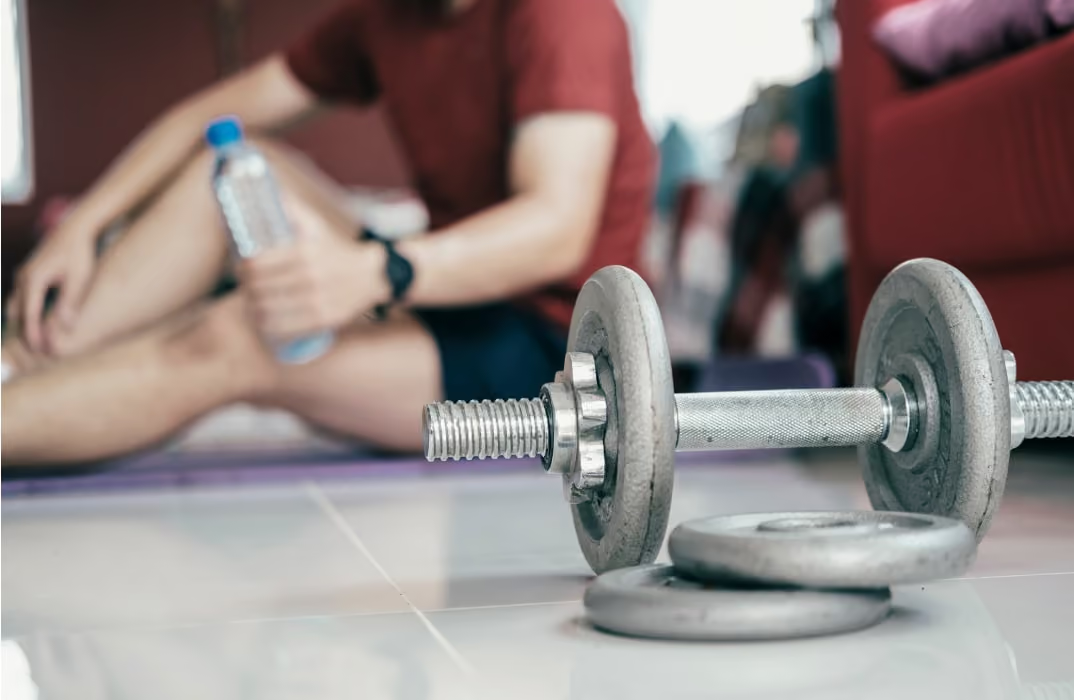
As your fitness journey progresses, recovery becomes even more critical. Intense and advanced workouts strain your muscles, joints, and the central nervous system.
Prioritizing recovery means actively scheduling rest days each week and focusing on the quality of your rest, which includes getting adequate sleep, maintaining proper nutrition, and staying hydrated. This careful planning ensures you're prepared to tackle more demanding training as you advance your fitness journey.
Prioritizing recovery is not a one-size-fits-all approach. It's about tailoring your recovery plan to your specific needs and preferences. Whether you're a fitness trainer or an enthusiast, experimenting with different recovery techniques can help you discover what recovery routine works best for you.
This personalized approach can include massage, stretching, meditation, or even yoga. Listening to your body is crucial. If you feel fatigued, giving yourself the extra time to rest, recover, recuperate, and return stronger is essential.
Effective Recovery Strategies
Now that you understand why recovery is vital let's explore actionable strategies to optimize recovery and supercharge your fitness journey.
1. Get 7 to 9 Hours of Sleep

- Get enough high-quality sleep.
- Aim for 7-9 hours of uninterrupted sleep.
- Sleep is your body's natural recovery mechanism. Aim for 7-9 hours of uninterrupted sleep each night to allow your body to repair and rejuvenate.
2. Eat Enough Protein and Carbs After Training

- Fuel your body with the proper nutrients.
- Consume a balanced diet rich in protein, carbohydrates, and healthy fats.
- What you eat plays a significant role in recovery. A well-balanced diet ensures your body gets the necessary nutrients for muscle repair and overall recovery.
3. Use Active Recovery on Rest Days
- Engage in light, active recovery exercises.
- Incorporate activities like walking, swimming, or yoga on rest days.
- Active recovery promotes blood flow, reducing muscle soreness and aiding in recovery.
4. Add Stretching and Mobility Work
- Prioritize stretching and mobility exercises.
- Incorporate dynamic and static stretching into your routine.
- Stretching improves flexibility and range of motion, preventing injuries and enhancing recovery.
5. Stay Hydrated Before, During and After Workouts

- Stay hydrated.
- Drink enough water throughout the day to maintain optimal hydration.
- Proper hydration is essential for muscle function, digestion, and holistic health. It aids in flushing out toxins and enhancing recovery.
Read our blog on Guide to Staying Hydrated During Workouts!
6. Use Foam Rollers and Massage Guns
- Consider using recovery tools.
- Explore tools like foam rollers, massage guns, and compression garments.
- Recovery tools can target specific muscle groups, improving blood flow and reducing soreness.
7. Mindfulness and Stress Management
- Practice mindfulness and stress management techniques.
- Try meditation, deep breathing, or gentle yoga to reduce stress and improve mental recovery.
- A calm mind is crucial for overall well-being and recovery. Incorporate mindfulness techniques to manage stress.
Make Your Recovery Work for You
- Tailor your recovery strategies to your unique needs and preferences.
- Experiment with recovery techniques, from massage to meditation, to find what works best.
- Listen to your body and adjust your recovery plan accordingly. If you feel fatigued, give yourself extra time to rest.
Conclusion
In the fitness world, recovery is the secret sauce that supercharges your journey. Whether you're a fitness trainer or an enthusiast, these effective recovery strategies will make a difference. Prioritize recovery, and you'll reach your fitness goals faster and enjoy the journey. Remember, a well-rested body and mind are the keys to a successful and sustainable fitness adventure.



Meet the author
Aishwarya Mehra
With a passion for digital strategy and a keen eye for engagement, Aishwarya Mehra is your partner in turning clicks into clients and likes into loyal followers.
Frequently Asked Questions

Yangzey Sherpa leads content strategy at FitBudd, overseeing content planning and execution across fitness-focused digital channels. With over five years of experience in SEO and content, she works closely with the fitness industry to ensure content aligns with the needs of coaches, trainers, and gym owners. Her role keeps her deeply connected to fitness business workflows, coaching models, and how professionals use digital platforms to grow.


Apra Pathak has worked closely within the fitness niche for several years, supporting personal trainers and fitness coaches through content and digital marketing initiatives. Her experience centers on understanding how fitness professionals build visibility, communicate value, and engage clients online. Through sustained involvement with fitness-focused platforms and audiences, she has developed a strong understanding of the digital needs and growth challenges faced by modern fitness businesses.

Aishwarya Mehra has been actively involved in fitness-focused digital marketing, working closely with brands and platforms that serve coaches, trainers, and fitness businesses. Her experience spans engagement-driven strategies designed specifically for fitness audiences. Through ongoing exposure to fitness campaigns and communities, she remains closely aligned with how fitness professionals attract, convert, and retain clients in digital environments.

Suchandra Das has contributed content within the fitness niche, working on resources designed for coaches, trainers, and fitness business owners. Her experience involves supporting fitness-related topics with clear, structured, and accessible content. Through consistent involvement with fitness-focused platforms, she has developed familiarity with coaching workflows, client communication, and the informational needs of fitness professionals.
FitBudd is a fitness technology platform built exclusively for coaches, personal trainers, gym owners, and fitness professionals. The platform supports fitness businesses through branded apps, white-labeled solutions, and websites designed around real coaching and training workflows. FitBudd works closely with the global fitness community, maintaining deep, ongoing involvement in the fitness industry.

Ankit Uniyal has worked extensively with fitness-focused content, supporting platforms that cater to personal trainers, gym owners, and fitness professionals. His experience includes optimizing and structuring content around fitness-related search behavior and user intent. Through continued involvement in the fitness niche, he has gained a strong understanding of how trainers and coaches build discoverability and authority online.

Saumya Mittal is the Co-Founder and CEO of FitBudd. Since 2021, she has been actively engaged in the fitness technology sector, collaborating with global fitness companies to foster digital growth and scalable operations. With over a decade of experience leading high-impact projects in engineering and operations, Saumya has a strong background in developing reliable and scalable systems. Through FitBudd, she is dedicated to addressing the evolving needs of fitness professionals worldwide.

Kinshuk Snehi has been closely involved in the fitness space for over four years. Through his work at FitBudd, he has contributed to shaping how fitness professionals build their online presence, attract clients, and scale sustainable coaching businesses. Deeply interested in the intersection of fitness, technology, and growth, Kinshuk brings a hands-on understanding of the challenges faced by modern trainers. His passion lies in building systems and strategies that support long-term consistency, both in fitness journeys and business growth.

Kanika Verma has been closely involved in building solutions for the fitness industry, working with platforms used by coaches and trainers globally. Her experience includes direct exposure to fitness coaching workflows and operational needs. Through sustained involvement in fitness-focused product development, she has developed a strong understanding of how fitness professionals manage clients, programs, and daily operations.

Tanya Sharma has worked on branding initiatives within the fitness niche, supporting fitness platforms and businesses with visual identity design. Her experience includes creating brand systems used by coaches, trainers, and fitness-focused products. Through ongoing involvement in fitness-related design projects, she remains closely connected to how fitness brands communicate trust and professionalism.

Niharika Sonavane has contributed to visual design projects within the fitness industry, supporting platforms and brands serving fitness professionals. Her experience spans creating digital assets used across fitness apps, websites, and marketing materials. Through continued work in the fitness niche, she remains closely aligned with the visual communication needs of coaches and fitness businesses.

Elesh Patel has worked extensively on marketing initiatives within the fitness niche, managing paid campaigns for fitness-focused products and services. His experience includes supporting platforms that target personal trainers, gym owners, and fitness creators. Through long-term involvement in fitness marketing, he remains closely connected to how fitness professionals discover and adopt digital tools.

.avif)

Creative Fitness Challenges Ebook
Discover exciting challenges to boost your workouts and keep your fitness journey thrilling.
Download Now
Templates
These functional templates have the power to make any fitness trainer's life easier.
Subscribe To
Our Blog