Are You Earning Up to Your Potential?
Most personal trainers are undervaluing their time and skills. Our Personal trainer Revenue Calculator helps you find out what you should be making, and how to get there.
No guesswork. Just real numbers.
.webp)
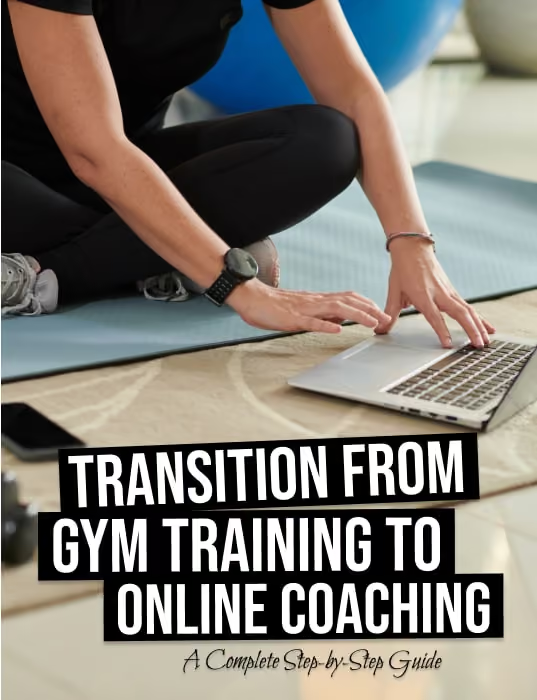
The fitness industry is rapidly evolving, and personal trainers are increasingly moving into online coaching to expand their reach, increase their income, and enjoy greater flexibility. If you have been training clients in a gym and are now looking to build a successful online personal training business, this guide will provide a detailed roadmap.
In this 10-step guide, we will outline exactly how to transition from gym training to online coaching while ensuring long-term success.
Step 1: Understanding the Benefits of Online Personal Training

Before shifting to online personal training, it is essential to understand the advantages it offers. Many fitness professionals transition online because it allows them to serve more clients and generate more income while enjoying greater freedom.
Advantages of Transitioning to Online Personal Training
- Access to More Clients: Unlike in-person training, where you are restricted to a specific location, online coaching allows you to train clients worldwide.
- Increased Income Potential: With online coaching, you can train multiple clients simultaneously, create scalable digital products, and generate passive income through pre-recorded online training programs.
- More Flexibility: Since all training sessions are virtual, you can work from anywhere, set your schedule, and avoid paying high gym rent or travel costs.
- Scalability: Once your online personal training business is established, you can expand by offering additional online services, hiring other trainers, or selling online courses.
By leveraging the opportunities provided by online coaching, you can build a sustainable business while helping more people achieve their fitness goals.
Step 2: Defining Your Online Personal Training Services
To successfully transition into online coaching, you need to decide on the type of services you will offer. Every successful online personal trainer structures their online personal training services based on their expertise and their clients' needs.
Types of Online Personal Training Services
- One-on-One Online Coaching – A direct transition from in-person sessions, conducted through video calls, messaging, and workout tracking.
- Group Coaching – Training multiple clients in a structured program to increase revenue while maintaining efficiency.
- Pre-Designed Online Training Programs – Selling structured training plans with exercise videos and instructional materials.
- Hybrid Model (In-Person + Online Training) – Combining in-person training with digital personal training for clients who prefer flexibility.
Clearly defining your services will help you attract online fitness clients and create a strong foundation for your online fitness coaching business.
Step 3: Setting Up Your Online Personal Training Business

To become a successful online personal trainer, you need the right tools and systems in place. Running an online personal training business is different from in-person training, and having a proper setup will ensure a smooth transition.
Essential Tools for Online Coaching
- Website and Application Form – Your website should include details about your online personal training services, client testimonials, and a form for potential clients to apply.
- Online Personal Training Software – Platforms like FitBudd allow trainers to create customized workout programs, track progress, and communicate with clients.
- Payment Processing System – Setting up secure payment processing ensures that clients can pay for your online training programs effortlessly.
- Exercise Library and Demonstration Videos – Clients need clear demonstrations of movement patterns to follow correctly.
- Video Call and Messaging Tools – Communication tools such as Zoom, WhatsApp, or built-in messaging in online training software allow for seamless interaction with clients.
Having these essential tools will ensure a smooth transition and help establish credibility as an online personal trainer.
Also read: 10 Best Website Builders for Personal Trainers in 2024
Step 4: Designing an Effective Online Training Program
A well-structured training plan is crucial for delivering value to online fitness clients. Without the ability to correct form in person, you must ensure that your online training programs are easy to follow and results-driven.
Key Components of an Online Training Program
- Clearly Defined Goals – Whether the focus is on weight loss, muscle building, or endurance, the program should be tailored to achieve a specific outcome.
- Structured Workouts – Workouts should be planned systematically to include warm-ups, exercises, sets, and cooldowns.
- Demonstration Videos – Pre-recorded videos help clients understand movement patterns and reduce the risk of injury.
- Progress Tracking – Using apps and software for tracking ensures clients stay motivated and see measurable improvements.
A structured online training plan increases client engagement and ensures long-term success.
Step 5: Getting Your First Online Clients
Starting an online coaching business can be challenging if you do not have an existing client base. However, there are several ways to attract your first few clients and build momentum.
Strategies to Get Online Clients
- Leverage Existing Clients – If you currently train in-person clients, offer them a hybrid model of in-person training and online support.
- Social Media Engagement – Share relevant information about workouts, testimonials, and success stories on Instagram, Facebook, and LinkedIn.
- Referral Program – Encourage clients to refer their friends in exchange for discounts or free training sessions.
- Free Challenges or Webinars – Hosting free fitness challenges or live workouts can help generate leads.
- Paid Advertising – Running ads on Facebook and Google can attract potential clients actively looking for online personal training.
Once you gain experience and positive client feedback, it becomes easier to attract more clients.
💪 Got an idea for a brand? Let's bring it to life.
Launch your own fitness app with FitBudd in minutes!

💪 Got your brand name? Let’s bring it to life.
Launch your own fitness app with FitBudd in minutes!



88% trainers worldwide gave us 5 stars
Transform your fitness business with the power of your branded app on iOS and Android.
Try for FREEStep 6: Building an Engaged Online Fitness Community
Creating a strong online fitness coaching community is essential for client retention and engagement. Unlike in-person training, where interaction happens naturally, online coaching requires a proactive approach to keep clients motivated and connected. A supportive community helps online personal trainers build trust, improve accountability, and increase referrals.
Ways to Build a Strong Online Community
- Private Facebook or WhatsApp Groups – Provide a space for clients to share progress, ask questions, and stay motivated. A well-managed group fosters interaction and accountability.
- Live Q&A Sessions – Host video calls where clients can ask questions, get feedback, and stay engaged with your online personal training business.
- Exclusive Content & Email Support – Offer additional resources like training tips, nutrition advice, and mindset coaching to add value.
- Encourage Client Participation – Motivate clients to share their progress, testimonials, and workout clips in the group. This builds a sense of community.
- Run Fitness Challenges – Organize monthly or quarterly challenges to keep clients engaged and competitive while staying committed to their fitness goals.
A strong online fitness coaching community improves client retention, enhances your reputation, and makes your personal training business online more impactful.
Step 7: Setting Up Pricing for Your Online Personal Training Services
Pricing your online fitness coaching services correctly is key to profitability and attracting the right clients. Unlike in-person training, online coaching offers flexible pricing models that can generate steady income.
Pricing Models for Online Trainers
- Monthly Subscription – Clients pay a recurring fee for ongoing online coaching, progress tracking, and support. Ideal for group programs or long-term coaching.
- One-Time Program Purchases – A single payment for structured training plans with pre-recorded workouts and guides. Great for clients who prefer self-paced programs.
- Hybrid Pricing – A mix of in-person training and online coaching at a premium rate, perfect for trainers transitioning online while keeping local clients.
Additional Pricing Considerations
- Tiered Plans – Offer basic, premium, or VIP packages with different levels of access.
- Discounted Packages – Provide savings for longer commitments (e.g., 3 or 6 months).
- Add-On Services – Include nutrition plans or extra coaching for an additional fee.
A well-structured pricing strategy ensures profitability and long-term success as you become an online personal trainer.
Step 8: Marketing Your Online Personal Training Business
Marketing Strategies
- Social Media Growth – Consistently posting valuable content to demonstrate expertise.
- SEO-Optimized Website – Ensuring that your website appears in search results for online personal training services.
- Email Marketing Campaigns – Nurturing leads through regular emails.
- Collaborations with Other Trainers – Expanding your reach through partnerships.
A solid marketing strategy ensures continuous client acquisition.
Step 9: Automating Your Business for Efficiency
Automation is crucial for growing your online personal training business while maintaining efficiency and work-life balance. As you become an online trainer, managing multiple clients manually can be overwhelming. The right automation tools help you save time, increase efficiency, and make more money while delivering a high-quality experience to your ideal client.
Essential Automation Tools for Online Trainers
- Scheduling Software – Tools like FitBudd automate client bookings, reducing scheduling conflicts and saving time.
- Automated Payments – FitBudd ensures seamless transactions, helping you get paid on time and avoid administrative hassles.
- Pre-Recorded Workouts & Exercise Libraries – Automate content delivery so clients can access workouts anytime, expanding your reach in the online space.
- Progress Tracking & Client Management – FitBudd centralizes client data, making it easy to track progress and adjust programs without extra effort.
- Automated Messaging & Check-ins – Set up reminders, motivational messages, and updates to keep clients accountable while minimizing manual work.
Why FitBudd is the Best Choice for Automation
FitBudd helps personal trainers automate their business, freeing up time to focus on coaching while maximizing income potential. Whether you are targeting your ideal client, scaling your business, or looking to make more money in the online space, FitBudd streamlines operations and ensures your online coaching business runs smoothly.
Step 10: Scaling Your Online Personal Training Business
Once your online fitness business is stable, it is time to scale.
Scaling Strategies
- Launch an Online Course – Teaching fitness-related topics for additional income.
- Sell Digital Products – E-books, meal plans, and specialized training programs.
- Hire Additional Coaches – Expanding your team to serve more clients.
By continuously innovating, you can build a highly successful online personal training business.
Conclusion: Take the First Step Today
Moving from gym training to online coaching is a powerful way to build a sustainable fitness business online. By following these 10 steps, you can create a strong online presence, attract online personal training clients, and establish a scalable business.
Success in online fitness coaching comes from consistency, innovation, and continuous improvement. The sooner you start, the sooner you will see results.



Meet the author
Aishwarya Mehra
With a passion for digital strategy and a keen eye for engagement, Aishwarya Mehra is your partner in turning clicks into clients and likes into loyal followers.
Frequently Asked Questions

Yangzey Sherpa leads content strategy at FitBudd, overseeing content planning and execution across fitness-focused digital channels. With over five years of experience in SEO and content, she works closely with the fitness industry to ensure content aligns with the needs of coaches, trainers, and gym owners. Her role keeps her deeply connected to fitness business workflows, coaching models, and how professionals use digital platforms to grow.


Apra Pathak has worked closely within the fitness niche for several years, supporting personal trainers and fitness coaches through content and digital marketing initiatives. Her experience centers on understanding how fitness professionals build visibility, communicate value, and engage clients online. Through sustained involvement with fitness-focused platforms and audiences, she has developed a strong understanding of the digital needs and growth challenges faced by modern fitness businesses.

Aishwarya Mehra has been actively involved in fitness-focused digital marketing, working closely with brands and platforms that serve coaches, trainers, and fitness businesses. Her experience spans engagement-driven strategies designed specifically for fitness audiences. Through ongoing exposure to fitness campaigns and communities, she remains closely aligned with how fitness professionals attract, convert, and retain clients in digital environments.

Suchandra Das has contributed content within the fitness niche, working on resources designed for coaches, trainers, and fitness business owners. Her experience involves supporting fitness-related topics with clear, structured, and accessible content. Through consistent involvement with fitness-focused platforms, she has developed familiarity with coaching workflows, client communication, and the informational needs of fitness professionals.
FitBudd is a fitness technology platform built exclusively for coaches, personal trainers, gym owners, and fitness professionals. The platform supports fitness businesses through branded apps, white-labeled solutions, and websites designed around real coaching and training workflows. FitBudd works closely with the global fitness community, maintaining deep, ongoing involvement in the fitness industry.

Ankit Uniyal has worked extensively with fitness-focused content, supporting platforms that cater to personal trainers, gym owners, and fitness professionals. His experience includes optimizing and structuring content around fitness-related search behavior and user intent. Through continued involvement in the fitness niche, he has gained a strong understanding of how trainers and coaches build discoverability and authority online.

Saumya Mittal is the Co-Founder and CEO of FitBudd. Since 2021, she has been actively engaged in the fitness technology sector, collaborating with global fitness companies to foster digital growth and scalable operations. With over a decade of experience leading high-impact projects in engineering and operations, Saumya has a strong background in developing reliable and scalable systems. Through FitBudd, she is dedicated to addressing the evolving needs of fitness professionals worldwide.

Kinshuk Snehi has been closely involved in the fitness space for over four years. Through his work at FitBudd, he has contributed to shaping how fitness professionals build their online presence, attract clients, and scale sustainable coaching businesses. Deeply interested in the intersection of fitness, technology, and growth, Kinshuk brings a hands-on understanding of the challenges faced by modern trainers. His passion lies in building systems and strategies that support long-term consistency, both in fitness journeys and business growth.

Kanika Verma has been closely involved in building solutions for the fitness industry, working with platforms used by coaches and trainers globally. Her experience includes direct exposure to fitness coaching workflows and operational needs. Through sustained involvement in fitness-focused product development, she has developed a strong understanding of how fitness professionals manage clients, programs, and daily operations.

Tanya Sharma has worked on branding initiatives within the fitness niche, supporting fitness platforms and businesses with visual identity design. Her experience includes creating brand systems used by coaches, trainers, and fitness-focused products. Through ongoing involvement in fitness-related design projects, she remains closely connected to how fitness brands communicate trust and professionalism.

Niharika Sonavane has contributed to visual design projects within the fitness industry, supporting platforms and brands serving fitness professionals. Her experience spans creating digital assets used across fitness apps, websites, and marketing materials. Through continued work in the fitness niche, she remains closely aligned with the visual communication needs of coaches and fitness businesses.

Elesh Patel has worked extensively on marketing initiatives within the fitness niche, managing paid campaigns for fitness-focused products and services. His experience includes supporting platforms that target personal trainers, gym owners, and fitness creators. Through long-term involvement in fitness marketing, he remains closely connected to how fitness professionals discover and adopt digital tools.


Workout Schedule & Progress Tracker Template
Stay on top of your fitness game with our customizable tracker to monitor progress and plan workouts.
Download Now
Templates
These functional templates have the power to make any fitness trainer's life easier.
Subscribe To
Our Blog